
How to Find a Supportive Christian Health Community (Without Walking the Healing Journey Alone)
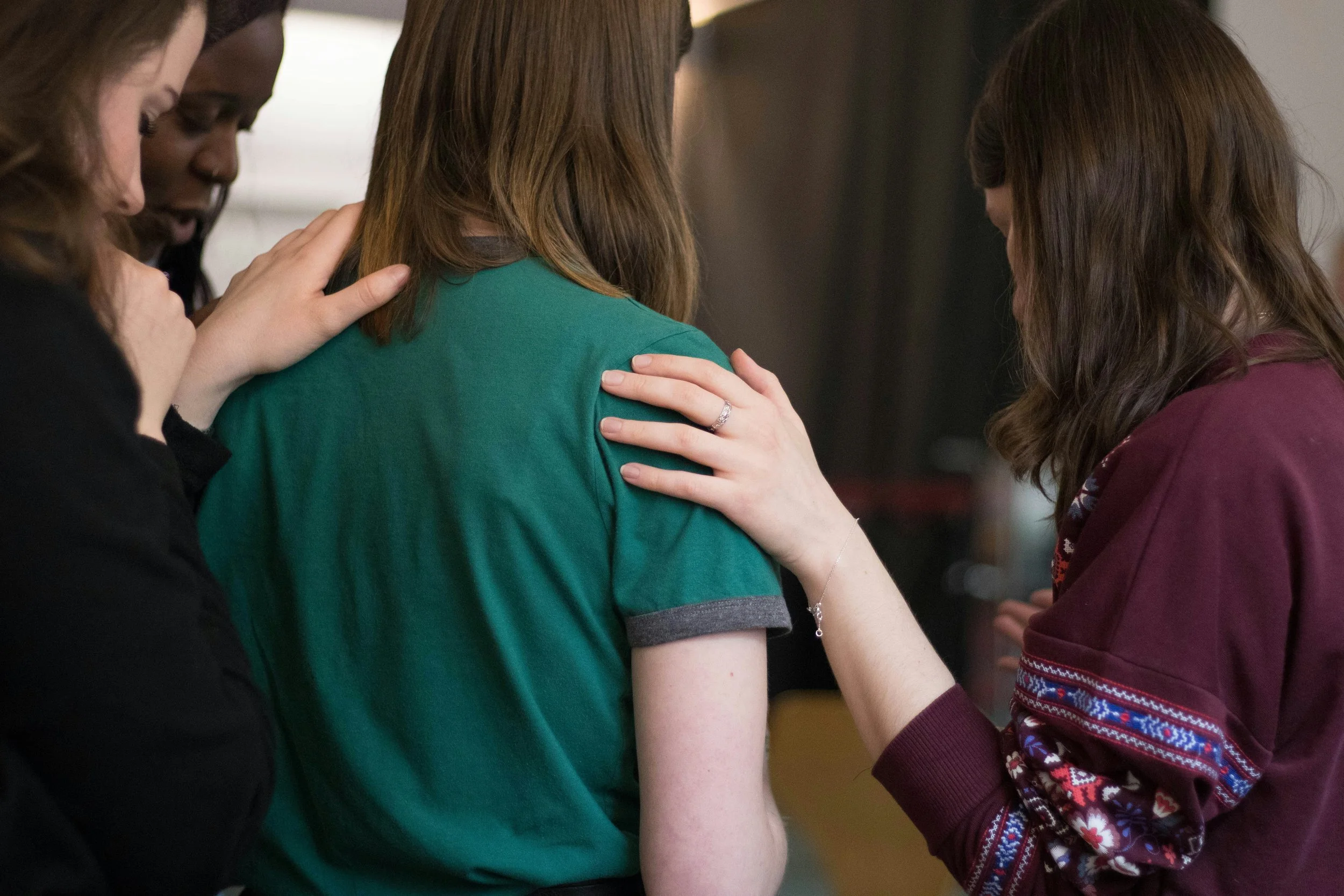
Healing is not a journey you were designed to walk alone. This guide explains what a supportive Christian health community is and why belonging to one accelerates whole-person recovery. Drawing on the bio-psycho-social-spiritual model of care, the article walks through five practical steps from clarifying your personal healing needs to committing to a long-term, faith-based resilience network to help you find a Christ-centered wellness fellowship that treats your body, mind, and spirit as one. Backed by research on the physiological effects of isolation and the theology of communal restoration, this is your roadmap to biblical holistic healing.
Introduction
As a Christian, you likely have an active prayer life, a highlighted Bible, online sermons queued up, and a heart standing on every promise of healing you can find. Yet when the emotional weight of your struggles returns, when silent pain and anxiety creep back in, it can feel as though something is missing, as though you are not doing enough.
Here is the truth: God never intended for you to work through the path of restoration alone. Healing was not designed to be a solo endeavour. To experience true, lasting restoration, you need a supportive Christian health community, one that bridges the gap between your private faith and your physical reality.
What Is a Supportive Christian Health Community?

A supportive Christian health community is a network of believers and health professionals who integrate faith with holistic wellbeing to care for the body, mind, and soul. It is a space where spiritual formation and physical health coexist in a community that operates on a bio-psycho-social-spiritual model of care, treating the whole person rather than merely addressing isolated symptoms.
The Science of Fellowship: Why Community Accelerates Healing
Isolation does far more than cause loneliness , it places a measurable physiological burden on the body. Research shows that chronic isolation keeps the body in a sustained state of high alert, impairing cellular recovery. At the neurological level, loneliness activates signals in the brain that shift the function of white blood cells away from antiviral defence and toward inflammation, directly slowing the processes required for healing, immune function, and tissue repair.
Conversely, belonging to a restorative Christian community acts as a catalyst for faith-based nervous system regulation. When you surround yourself with a vibrant community of believers, your body is guided out of "fight or flight" and into a state of "rest and repair."
When we understand the theology of the body, we see that fellowship is not merely a social nicety , it is an ordained pathway to the divine healing we need.
Step 1: Clarify Your Healing Needs Using the Bio-Psycho-Social-Spiritual Model

Finding the right Christian community begins with honest self-examination, what the Bible calls faithful stewardship of the life God has entrusted to you. Ask yourself the following questions across each dimension of the model:
Physical: Do I need a Christian community for long-term physical health support?
Emotional: Am I looking for emotional healing and repair through faith-based connection?
Social and Spiritual: Do I need a trusted Christian accountability partner to help me stay consistent in my growth?
By identifying which dimension of the model you need most, you can narrow your search to the type of community that best fits your current season of life.
Step 2: Look for a Christ-Centred Wellness Fellowship
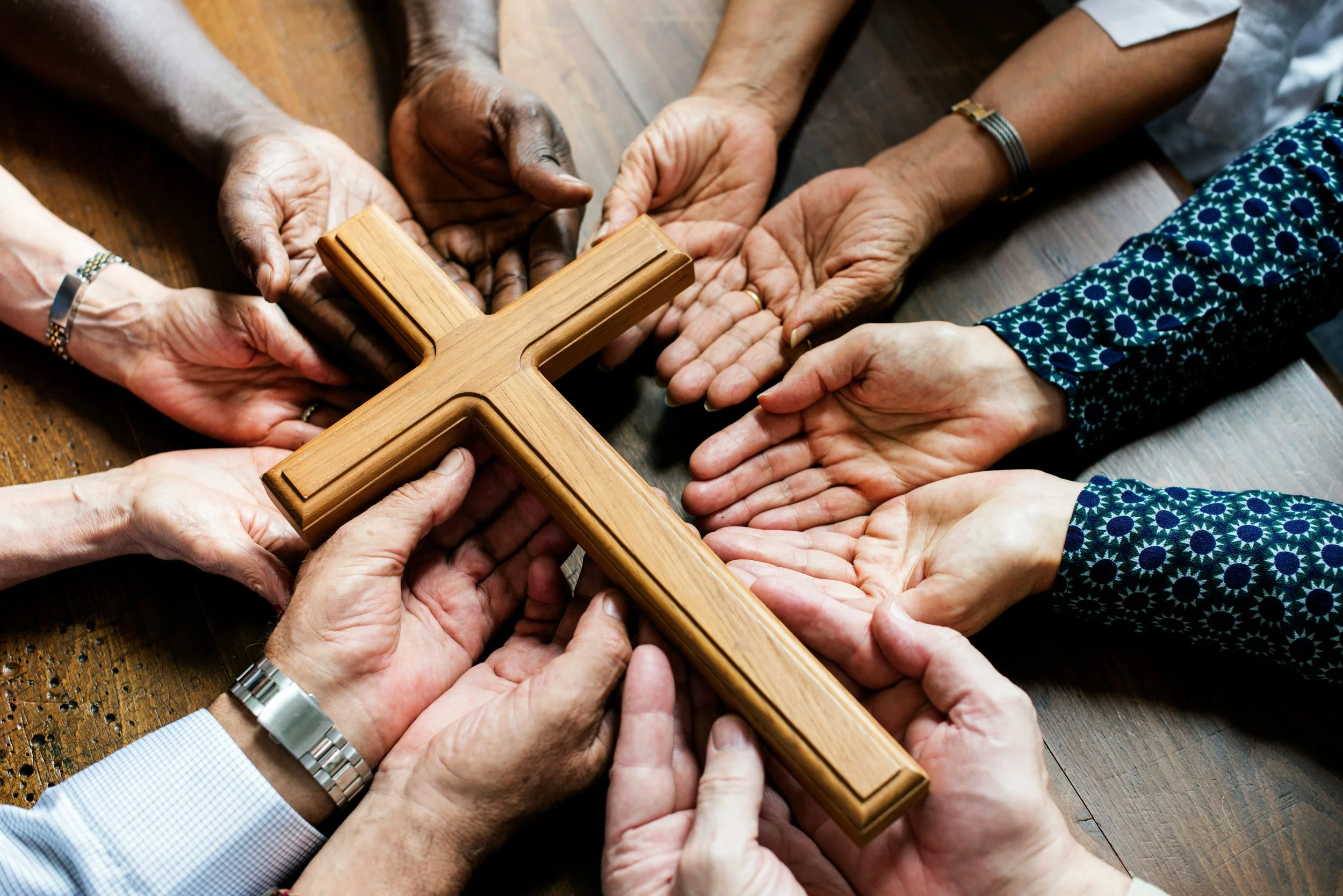
There is an important distinction between a general social group within a church and an intentional, Christ-centred wellness fellowship. The former may occasionally touch on health but rarely places it at the centre of community life. A Christ-centred wellness fellowship, by contrast, makes health and spiritual formation its primary focus.
Look for a group that provides integrative, faith-based healthcare resources one that moves beyond "thoughts and prayers" to offer a genuine framework for biblical holistic healing. Evaluate the group's values carefully, because your healing journey deserves a community that takes your physical health as seriously as your spiritual growth.
If you are looking for a faith-based wellness community that holds both your health and your spiritual life as its highest priorities, the Healthy and Righteous Community was built for you.
Click the link below to join.
Join Healthy and Righteous Community
Step 3: Evaluate the Community's Culture of Scriptural Wellness Accountability

Genuine healing requires difficult life changes , breaking old habits and building new ones. In the midst of that transformation, you need a faith-based resilience network that offers scriptural wellness accountability. Importantly, this accountability is not about judgment or shame. It reflects the spirit of "bearing one another's burdens" (Galatians 6:2) holding each other with grace, not condemnation.
A healthy community will have clear structures in place: mentorship programmes, regular prayer sessions, and curated resources that keep you moving toward your health and spiritual goals even when motivation wanes. If the community feels safe, restorative, and rooted in grace, you have found your tribe.
The Healthy and Righteous Community embodies all of this. What are you waiting for? JOIN TODAY
Step 4: Prioritise Groups That Bridge Spiritual Formation and Physical Stewardship

The best communities understand that the body and the spirit cannot be separated. They live out a theology of holistic living, so look for groups that actively support biblical somatic wellness. A truly supportive community provides practical tools , nutrition education, movement challenges, therapy referrals , because these are expressions of the belief that physical health is a dimension of spiritual maturity.
Healing and breakthroughs happen when prayer meets practical stewardship. A community that honours both is one worth committing to.
Step 5: Commit to a Faith-Based Resilience Network for the Long Haul

The road to sustainable healing is never a straight line. There are seasons of momentum and seasons of struggle, and maintaining consistency can be one of the hardest parts of the journey. That is why it is essential to find a faith-based resilience network built for longevity rather than quick fixes.
Seek a Christian vitality community that emphasises consistency over intensity. The circle may be small a handful of people committed to restorative Christian fellowship , but what matters most is the shared, long-term goal: spiritual growth and building a healthy legacy that honours God.
Conclusion

Recognising that you need a supportive Christian health community is not a sign of weak faith, it is a sign of wisdom. We were created for connection. We were designed to find comfort, strength, and restoration through one another.
By following these five steps, you move closer to a biblical holistic healing group that will lift you when you are weary, hold you accountable with grace, and celebrate your victories alongside you. Remember: healing is possible, and it is far more beautiful when it is done together. If you are ready to stop fighting alone and start thriving in a community designed for your wholeness, join the Healthy and Righteous Community and begin experiencing God's peace as you walk the path to healing.
Frequently Asked Questions (FAQ)
1. What does the Bible say about healing in community?
Scripture consistently reveals that God uses community as a primary vehicle for restoration. Believers are commanded to "carry each other's burdens" (Galatians 6:2), and those who are sick are instructed to call on the elders of the church to pray over them (James 5:14–16). Biblical community provides the spiritual safety, intercessory prayer, and practical support necessary for whole-person recovery.
2. How do Christian support groups improve physical and mental health?
Christian health support groups combine scriptural truth with safe, science-backed relational connection. Psychologically, belonging to a trusted community lowers stress hormones and promotes nervous system regulation. When biological safety is combined with shared faith, consistent prayer, and mutual accountability, the result is accelerated emotional repair and greater physical vitality.
3. What is the difference between a standard church small group and a Christian wellness fellowship?
A traditional church small group centres broadly on discipleship, Bible study, and general fellowship. A Christian wellness fellowship is intentionally structured around health stewardship. These groups integrate a bio-psycho-social-spiritual framework, dedicating meetings to targeted health goals, chronic illness support, nutritional accountability, and biblical somatic practices — all within a context of prayer.
4. How do I know if a Christian health community is biblically sound?
A biblically sound health community will always balance the sovereignty of God with the call to practical human stewardship. It treats the body as a temple of the Holy Spirit (1 Corinthians 6:19–20) without sliding into legalism or shame-driven accountability. It also respects healthcare as an integrated, God-given resource rather than rejecting medical wisdom in favour of spiritual isolation.
5. Can a faith-based support network help with chronic illness recovery?
Yes. Research consistently identifies social support as one of the strongest predictors of long-term health resilience. For those navigating chronic conditions, a faith-based network provides a shared theology of suffering and hope preventing the depression and isolation that frequently stall physical recovery. It transforms an isolating medical battle into a shared spiritual journey toward victory.
