
What to Do When Praying Doesn't Fix Your Anxiety

You can love Jesus with your whole heart and still struggle with your mental health. An anxious nervous system is a medical reality, not a spiritual failure.
The Brain is an Organ: Combining prayer with clinical therapy or medication is a wise bodily stewardship, just like using insulin for diabetes.
Scripture Validates the Dark: Pillars of faith like Elijah and David experienced deep emotional distress without losing God's love or their calling.
God Meets You in the Panic: Healing is a gradual process. God meets your symptoms with deep tenderness and grace, never condemnation.
Sarah woke up early one morning and tossed around in her bed before finally sitting upright. The early morning sun poured through the partly opened curtain, lighting up her entire room. It was a beautiful day, a day to thank God, if for nothing else, for the gift of being alive to see it. But on the inside, Sarah felt nothing like the day looked.
She didn't see the need to pray, not when everything around her seemed to be falling apart. For days she'd locked herself indoors, praying morning and night, listening to sermon after sermon online. Her Christian friends kept telling her, "Just pray more; go before God." And she did. She prayed more. She knelt before God more times than she could count. And yet, with all of that, the numbness stayed. The depression stayed. So, what do you do when praying doesn't fix your anxiety? By this point, Sarah had begun to lose faith, teetering on the verge of despair.
Here's what she didn't know: mental health struggles don't mean a weak relationship with God. Faith and mental health are two separate realities, and they can align beautifully when we let them.
When prayer and mental illness collide, what's the next right step?
Can Christians Have Depression?

Just like Sarah, many deeply faithful Christians believe that being a Christian makes them immune to mental health struggles. Depression in Christians isn't something we like to talk about, but we're human, and none of us are exempt from life's difficulties. Biblical figures felt this too. Elijah once begged God to take his life in the middle of deep despair (1 Kings 19:4), and David poured out raw, honest laments throughout the Psalms, and neither of them lost God's love because of it.
Psalm 34:18 reminds us that "The Lord is close to the brokenhearted and saves those who are crushed in spirit."
Why Won't God Heal My Anxiety? Confronting Spiritual Shame

You probably have a nagging ache right now: months of unanswered prayers haven't brought the relief you're hoping for. It can be painful not to see results, and many Christians battle spiritual shame alongside their anxiety and quiet fear that if they'd only prayed harder or trusted more, things would be different by now.
But anxiety is a biological and psychological reality that involves the nervous system, not just the soul. Just like someone with an open wound needs medical treatment to prevent infection, someone dealing with anxiety needs help too. Prayer is a companion and a way of trusting God with your anxiety, not a replacement for treatment.
Why Is My Faith Not Curing My Depression? The Medical Reality
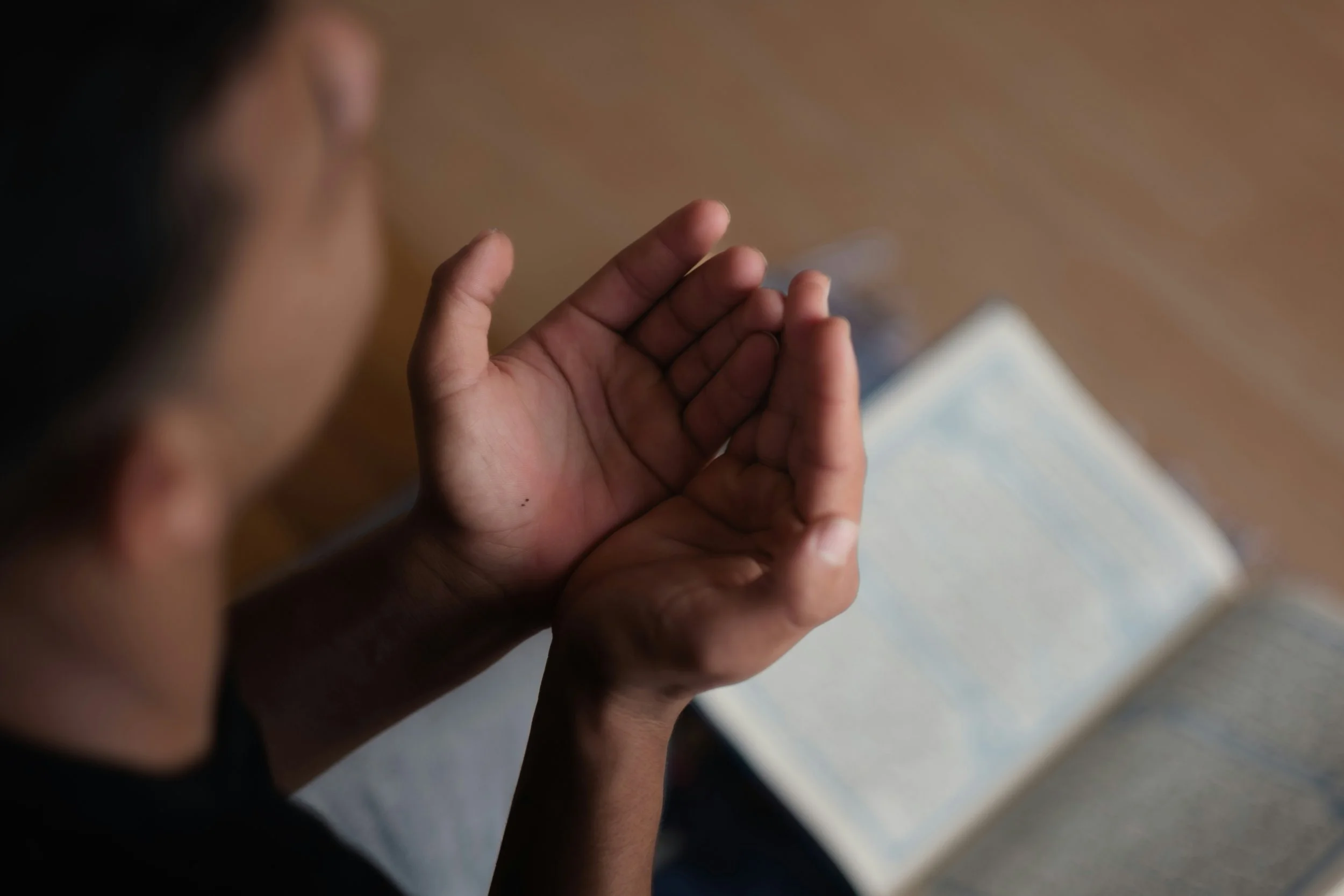
In a compelling case report published in the Christian Journal for Global Health, a career missionary detailed a 20-year battle with treatment-resistant depression. Despite intensive Christian prayer counselling alongside advanced medical treatments like psychotherapy and ECT, the depression persisted. Their story underscores an invaluable truth: a chronic mental health battle is not a reflection of your devotion to God. Tacoma Christian Counseling echoes this too, noting that healing from depression often comes through combining prayer and therapy, along with the support of family and friends.
So instead of questioning whether your faith in God is strong enough, learn to recognize the signs that your anxiety may need professional help.
Biblical Help for Anxiety and Depression: A Two-Fold Approach

That same case report states that true biblical help means shifting our perspective on pain. The author found peace, the study noted, not by frantically begging for an escape but through the spiritual discipline of alignment, connecting their pain directly to Christ's own experience of deep anguish during His passion. Faith doesn't always insulate us from the valley; sometimes, it meets us right inside it.
So you unite both body and soul: your soul, by reaching out to God honestly about your pain, and your body, by practicing basic habits that support real healing.
What to Do When Praying Doesn't Fix Anxiety: 5 Faith-Filled Steps

When prayer doesn't fix your anxiety, it isn't a sign to give up on your faith; it's a sign to go the extra mile by combining that faith with practical, actionable steps.
1.Shift Your Prayer Style: Move from desperately pleading to escape your struggles to offering an honest, restful lament to God instead.
2.Speak to a Friend: Break the isolation by sharing your burden with someone you trust. A problem shared is half solved.
3.Tick the Physiological Basics: Get enough sleep, stay hydrated, and take small daily steps to reduce your stress load. This is somatic healing for Christians in its simplest, most practical form.
4.Connect with Professional Care: Actively look for Christian counselling for anxiety and depression or other faith-affirming clinical therapy resources near you.
5.Give Yourself the Grace to Heal: Accept that emotional recovery is usually a patient, gradual journey, not an overnight switch.
It's for this reason that I wrote Mindgevity, for Christians who are struggling with anxiety, depression, or a mental health condition and are in the middle of choosing between their faith and healing. It is for those who have probably read other Christian self-help books but didn't gain clarity on why they feel the way they feel or couldn't understand the clinical reality of what they are experiencing.

Mindgevity does two things: it brings the clinical and biblical together. It explains anxiety, depression, OCD, trauma, and body image struggles with scriptural backup and medical accuracy. It doesn't tell you to pray more, but helps you anchor your mental struggles in God's love and grace.
So if you are ready to heal, to fully understand yourself, and to become whole again in body, mind, and soul.
Get a copy of Mindgevity here
Conclusion
When God feels silent during your depression and the problems you're facing, it doesn't mean He isn't present. He sees you. He knows exactly what you need. If the birds of the air don't need to worry about what to eat (Matthew 6:26), how much more will He care for you, His own son or daughter?
So, what do you do when praying doesn't fix anxiety? Still look up to God. But also make use of the practical help He's placed around you: a supportive community, biblical encouragement for depression, targeted therapy, and yes, that therapist you've been avoiding.
Frequently Asked Questions
Is anxiety a sin for a Christian?
No, it's a physiological response to stress, not a moral failure.
Does taking medication go against God?
Taking medicine does not mean you lack faith. It is wisdom to pray to God and equally use the physical gift, which is medicine that He has provided for your healing.
